Japanese waters, thoughtful rituals
An onsen journey becomes more rewarding when the ritual is understood before the robe is unfolded. Start with the place, then choose the room.
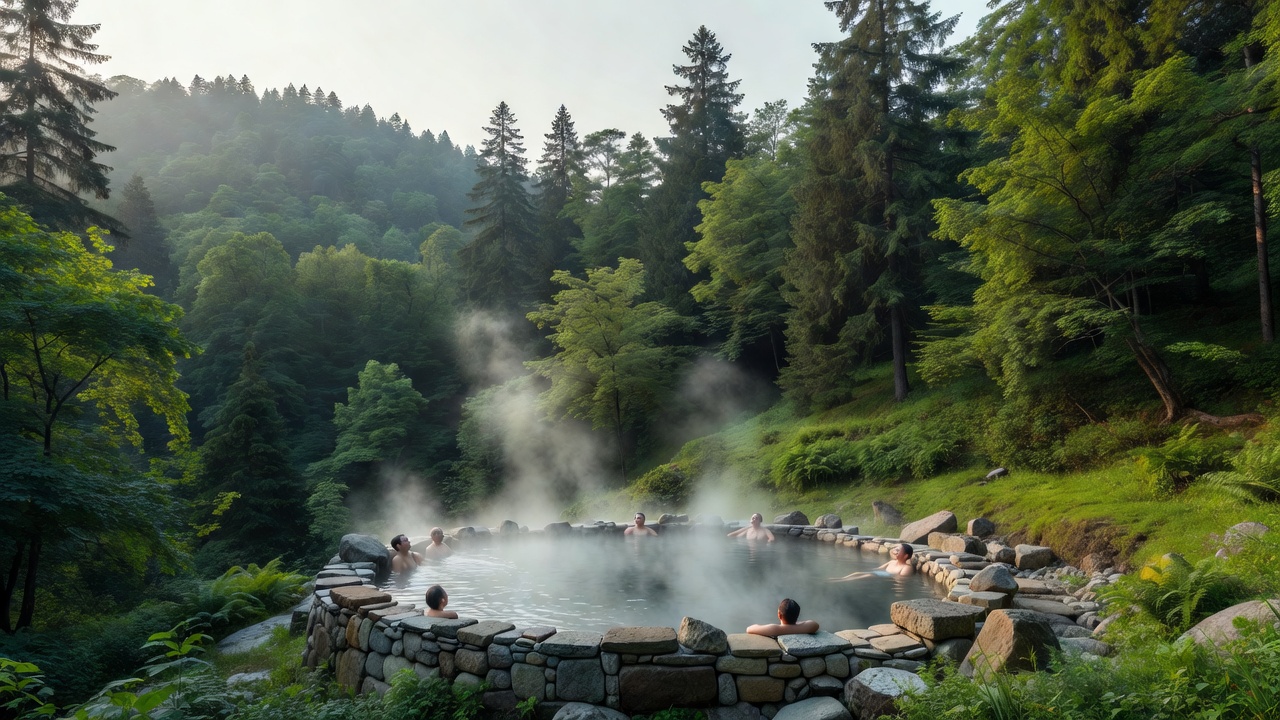
Choose a rhythm before a region
Japan offers very different forms of thermal travel. Hakone can fit a journey through Tokyo and Kyoto, but its transport network and popular viewpoints can make a short stay feel busy. Kinosaki Onsen encourages walking between public bathhouses in a compact town. Beppu places bathing within a working coastal city, while Kurokawa Onsen favours a smaller valley setting and ryokan-led stays. These are not interchangeable versions of the same retreat.
Begin by deciding how much movement you want. A traveller who values one excellent room and an unhurried dinner may prefer two nights in one property over collecting several celebrated springs. Someone interested in everyday bathing culture may enjoy a town bath more than a secluded suite. Luxury here is often the removal of friction: an understandable check-in, a clear explanation of the bath and enough time to settle.
Understand the shared bath
At most conventional onsen, washing happens before immersion. Use the washing station, rinse soap away thoroughly and keep your towel out of the water. Long hair should be tied up so that it does not trail in the bath. Swimming, loud conversation and phone use are generally inappropriate. Follow the specific facility's instructions rather than assuming one rule covers every establishment.
Many shared baths separate guests by gender and are used without swimwear. Private reservable baths and some mixed or swimsuit facilities provide alternatives, but availability varies. Tattoo policies also vary widely. Ask the property directly, describing what you need rather than relying on a town's general reputation. Families should confirm children's access, toilet-training requirements and whether a private bath is genuinely reservable at a useful time.
Read the ryokan details carefully
A ryokan stay may bring together dinner, breakfast, bedding and bathing in a way that differs from a conventional hotel. Meal times can be structured, late arrival can be difficult, and dietary requests need advance discussion. Before booking, ask when dinner begins, whether alternatives are possible and how the property handles allergies. A beautifully photographed meal is not a substitute for a clear answer.
Room descriptions deserve equal care. An “open-air bath” may overlook a wall rather than a landscape; an in-room tub may use heated ordinary water instead of spring water. Neither is inherently a poor choice, but they are different experiences. Request the water source, privacy arrangements and whether temperature can be adjusted. For mobility needs, ask about steps between the room, dining area and bath rather than accepting a broad claim of accessibility.
Give each place its own time
In Kinosaki, leave space for the town itself: a gentle walk, a bathhouse chosen for convenience rather than a checklist, and an early evening without another transfer. In Hakone, account for the time taken by buses and mountain transport. A property that looks close on a map may still require several connections. In Beppu, distinguish bathing facilities from geothermal sights intended for viewing; not every steaming pool is a place to enter.
Kurokawa can suit travellers who want a quieter base, but rural access and return transport require planning. Kusatsu Onsen offers another distinct town experience, centred on its visible hot-water landscape and established bathing culture. Do not treat celebrated water as an invitation to improvise: use designated facilities, respect barriers and follow posted temperature guidance. A spring's appearance cannot tell you whether it is safe.
Make the booking conversation useful
Write down three priorities before contacting a property. They might be a private bathing option, minimal stairs and a quiet room away from a lift. Concrete questions produce more useful answers than asking whether a stay is “authentic” or “luxurious.” Confirm what is included, how bath reservations work and whether access changes between arrival and departure days.
Finally, protect a little unscheduled time. The most memorable part of an onsen stay may be the interval after bathing: a chair near an open window, a simple drink and no need to be anywhere else. That is an observation about travel comfort, not a medical promise. The water can shape the day without being asked to transform your health.
Further reading: Japan National Tourism Organization: onsen guidance. Reconfirm property rules and transport directly before departure.